
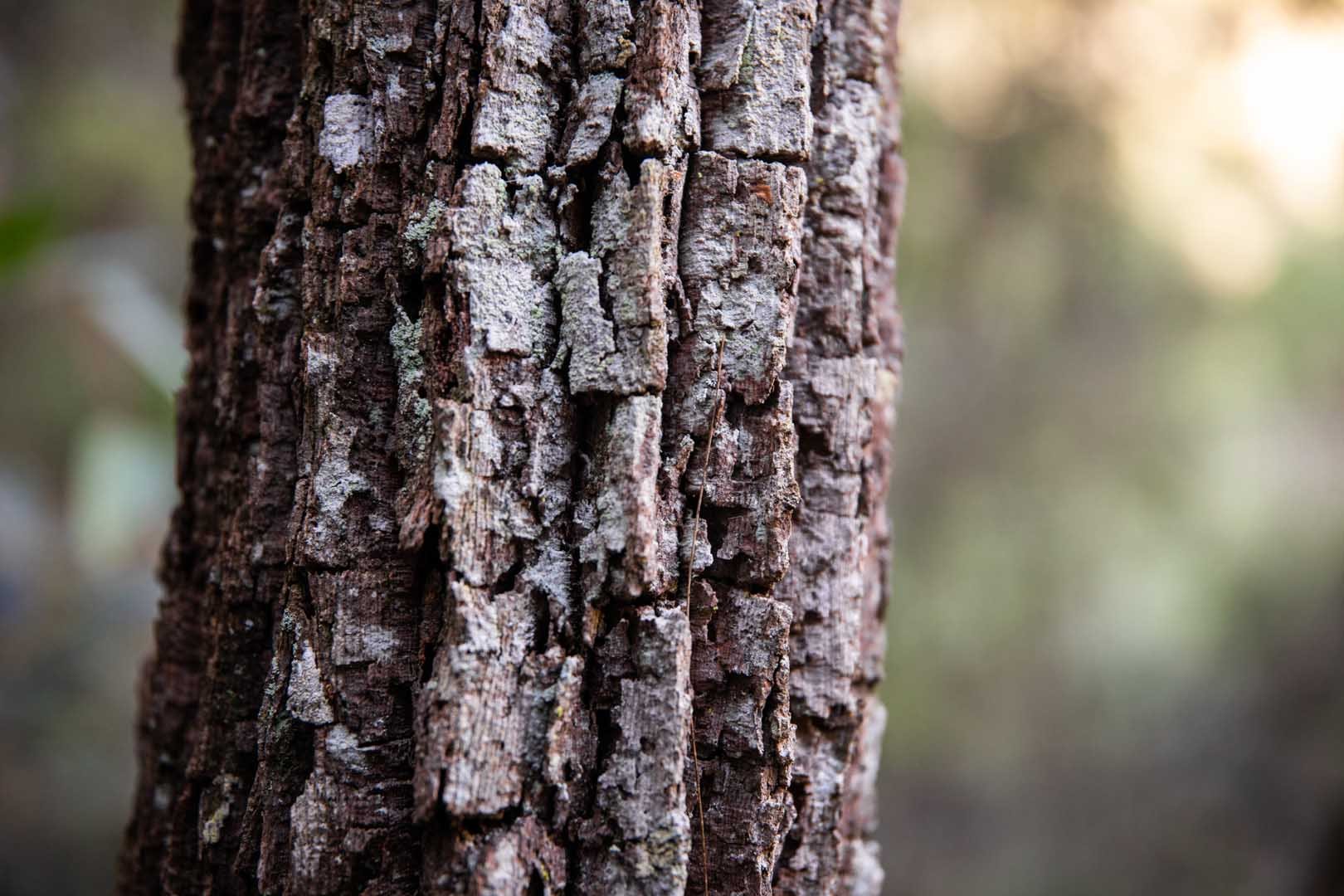
If you've spent any time in Ashe County or the surrounding Blue Ridge Mountains, you've probably noticed something remarkable about the landscape. Towering white pines, massive hardwoods, winding mountain roads shaded by mature forests, and ridgelines covered in green as far as the eye can see.
The trees of western North Carolina aren't just beautiful. They're one of the defining features of life in the High Country.
At Brantley Tree Service, we're fortunate to spend every day working among these forests, and it gives us a unique appreciation for what makes mountain trees different.
A Landscape Shaped by Elevation
The Blue Ridge Mountains create growing conditions that are unlike many other parts of North Carolina.
Higher elevations bring cooler temperatures, increased rainfall, stronger winds, and changing weather patterns throughout the year. These conditions influence how trees grow, how long they live, and how they respond to storms.
It's one of the reasons properties throughout Ashe County often feature mature trees that have been growing for generations.
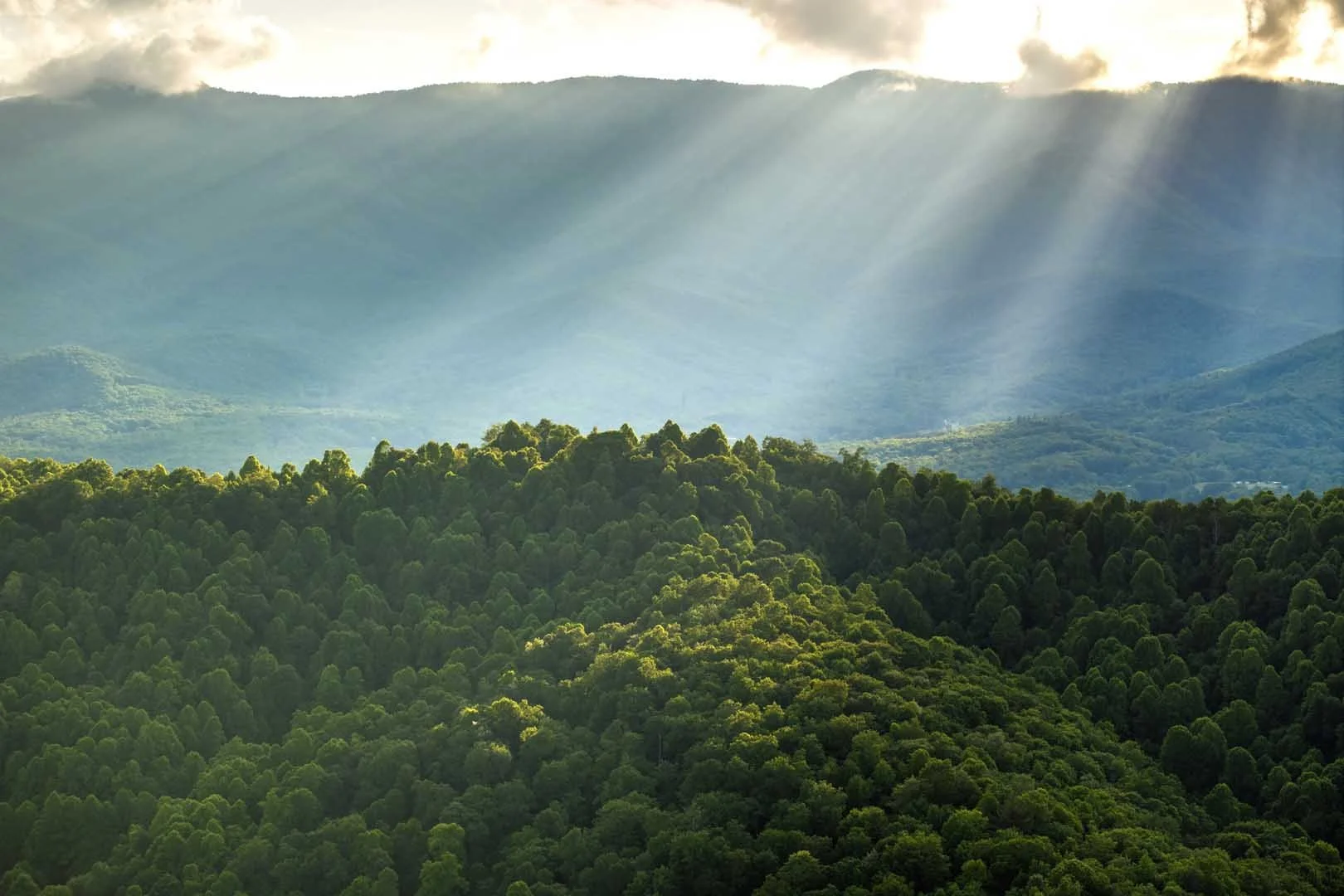
Native Trees That Define the High Country
Western North Carolina is home to an incredible variety of native tree species.
Some of the most common include:
Eastern White Pine (Pinus strobus)
White Oak (Quercus alba)
Northern Red Oak (Quercus rubra)
Tulip Poplar (Liriodendron tulipifera) - often called "Yellow Poplar" locally
Red Maple (Acer rubrum)
American Beech (Fagus grandifolia)
Black Cherry (Prunus serotina)
Eastern Hemlock (Tsuga canadensis)
Shagbark Hickory (Carya ovata) - one of several native hickories
Each species grows differently and responds differently to weather, soil conditions, and elevation.
Learning about the trees on your property is one of the best ways to understand how to care for them over the long term.
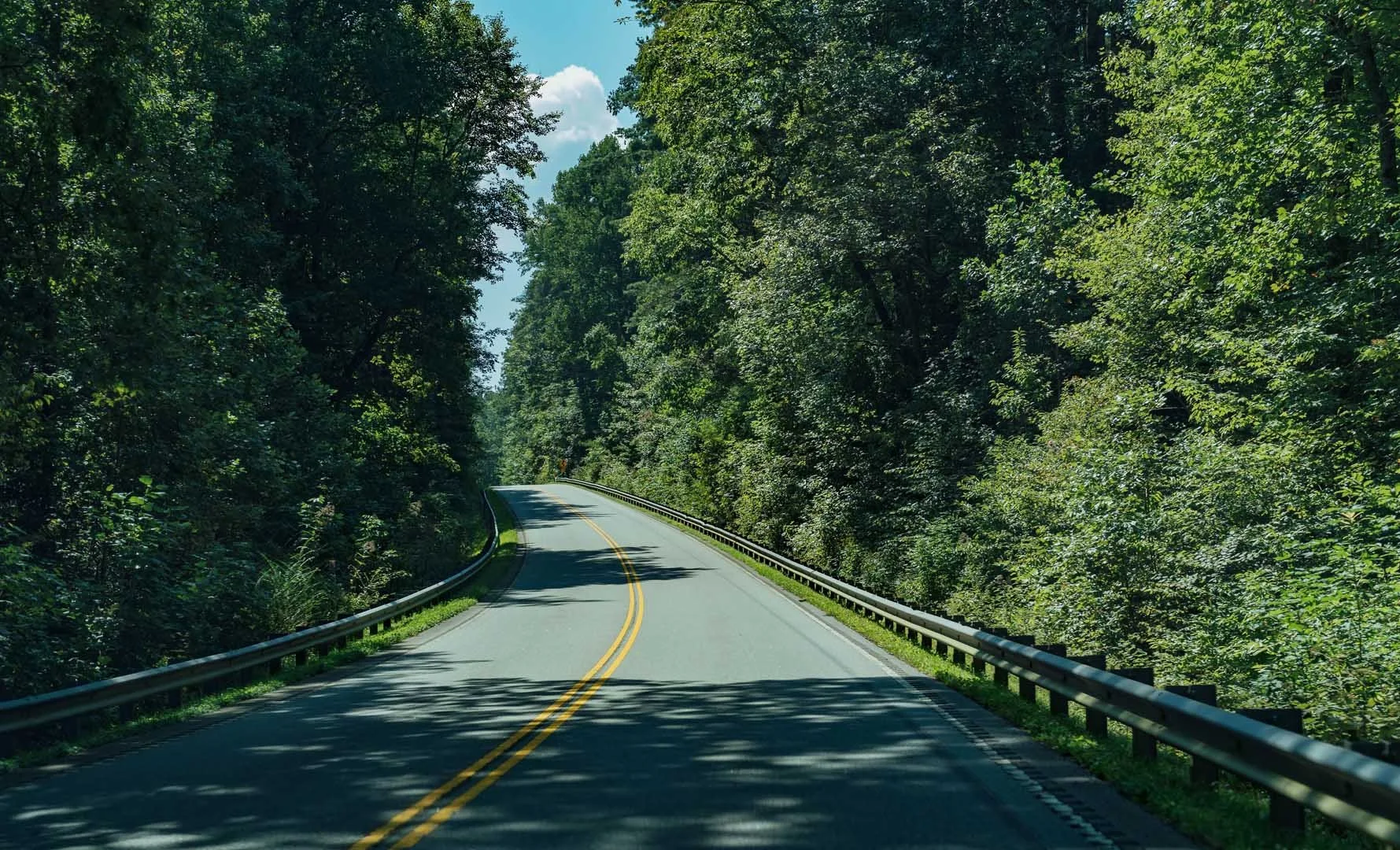
Every Season Brings Something New
One of the joys of working throughout Ashe County is seeing the forests change with the seasons.
Spring brings vibrant new growth and flowering native trees.
Summer fills the mountains with dense green canopies that provide shade and wildlife habitat.
Autumn transforms the landscape into one of the most colorful places in the country.
Winter reveals the structure and character of mature hardwoods while evergreens continue to define the mountain skyline.
Every season tells a different story.
Caring for Trees Before Problems Develop
Many homeowners only think about their trees after a storm or when something appears wrong.
In reality, healthy trees benefit from occasional observation throughout the year.
Taking a walk around your property every season is a great habit. Look for:
Dead branches
Leaning trees
Cracks in the trunk
Limbs growing over roofs
Branches approaching power lines
Changes in leaf growth
Small concerns are often easier to address than major problems later.
More Than Tree Removal
People often associate tree companies with removing trees, but much of what we do involves helping homeowners understand the trees they already have.
Sometimes the best solution is pruning.
Sometimes it's simply monitoring a tree over time.
And sometimes removing a hazardous tree is the safest decision for both the property and the surrounding landscape.
Every situation is different, and that's why local experience matters.
Proud to Serve Ashe County
The forests of Ashe County are part of what makes this community special.
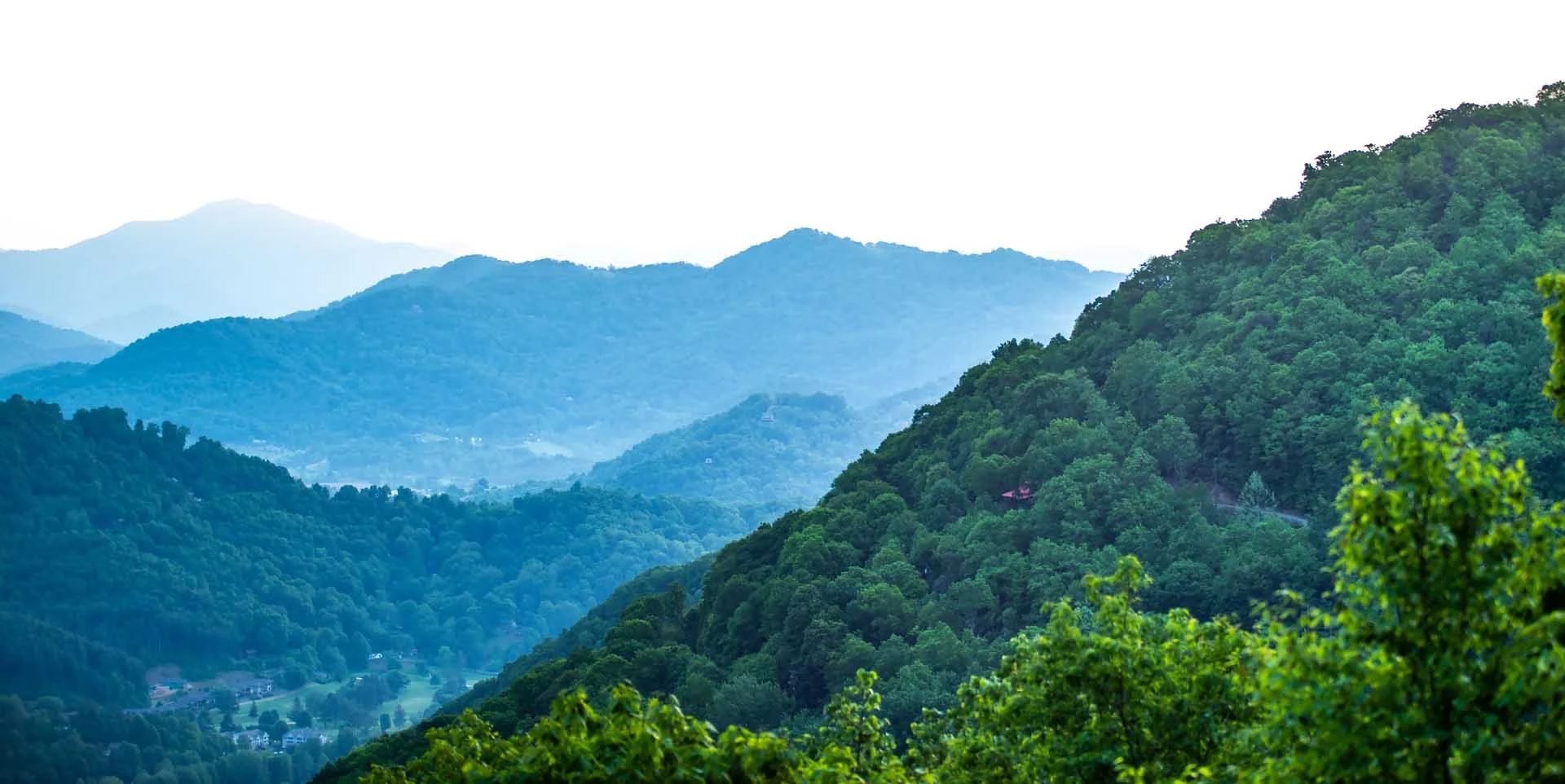
Whether we're working on a mountain ridge overlooking the Blue Ridge Mountains or helping a homeowner care for the trees around their family home, we're grateful to spend our days serving this remarkable part of North Carolina.
If you have questions about the trees on your property, we'd be happy to help. Contact Brantley Tree Service through our website to request a free quote or schedule a visit.