

Fall in the Blue Ridge Mountains is one of the most beautiful times of year. Throughout Jefferson, West Jefferson, and Ashe County, the landscape gradually transforms as mountain forests exchange their summer greens for brilliant shades of orange, gold, and red.
But beyond the changing colors, autumn provides homeowners with an important opportunity to evaluate the health of the trees surrounding their property.
At Brantley Tree Service, we work with the towering pines, mature hardwoods, and challenging mountain terrain that make northwest North Carolina unique. We know that not every unusual branch or changing leaf signals trouble, but certain warning signs deserve attention before winter storms arrive.
Here are five things every homeowner should watch for this fall.
1. Unusual Leaf Drop or Discoloration
One of autumn's most recognizable features is the changing color of our trees. As daylight decreases and temperatures cool, deciduous trees naturally begin preparing for winter.
However, not all leaf discoloration is a normal part of the seasonal transition.
A tree that loses its leaves significantly earlier than others of the same species, develops unusual spotting, or shows patches of dying foliage may be experiencing environmental stress, disease, insect damage, or problems within its root system.
For homeowners throughout Ashe County, comparing similar trees on the same property can be a useful starting point. A single maple that appears noticeably unhealthy while neighboring maples remain vibrant may warrant closer examination.
Keep in mind that different species change color and shed leaves at different times. What looks unusual in September may be perfectly normal for one species but concerning for another.
2. Dead or Dying Branches High in the Canopy
As leaves begin falling, tree branches become easier to see. This makes autumn an excellent time to identify deadwood and structural weaknesses that were previously concealed by thick summer foliage.
Large dead branches can pose a serious hazard, particularly when positioned above a house, driveway, deck, or frequently used outdoor space.
Throughout the Blue Ridge Mountains, seasonal winds and winter ice can place substantial additional weight and pressure on already weakened limbs. Branches that survived summer thunderstorms may not withstand a heavy winter weather event.
Professional tree trimming and hazardous limb removal can help reduce these risks, and in some cases, preserve an otherwise healthy tree.
The Blue Ridge Mountains Create Unique Challenges
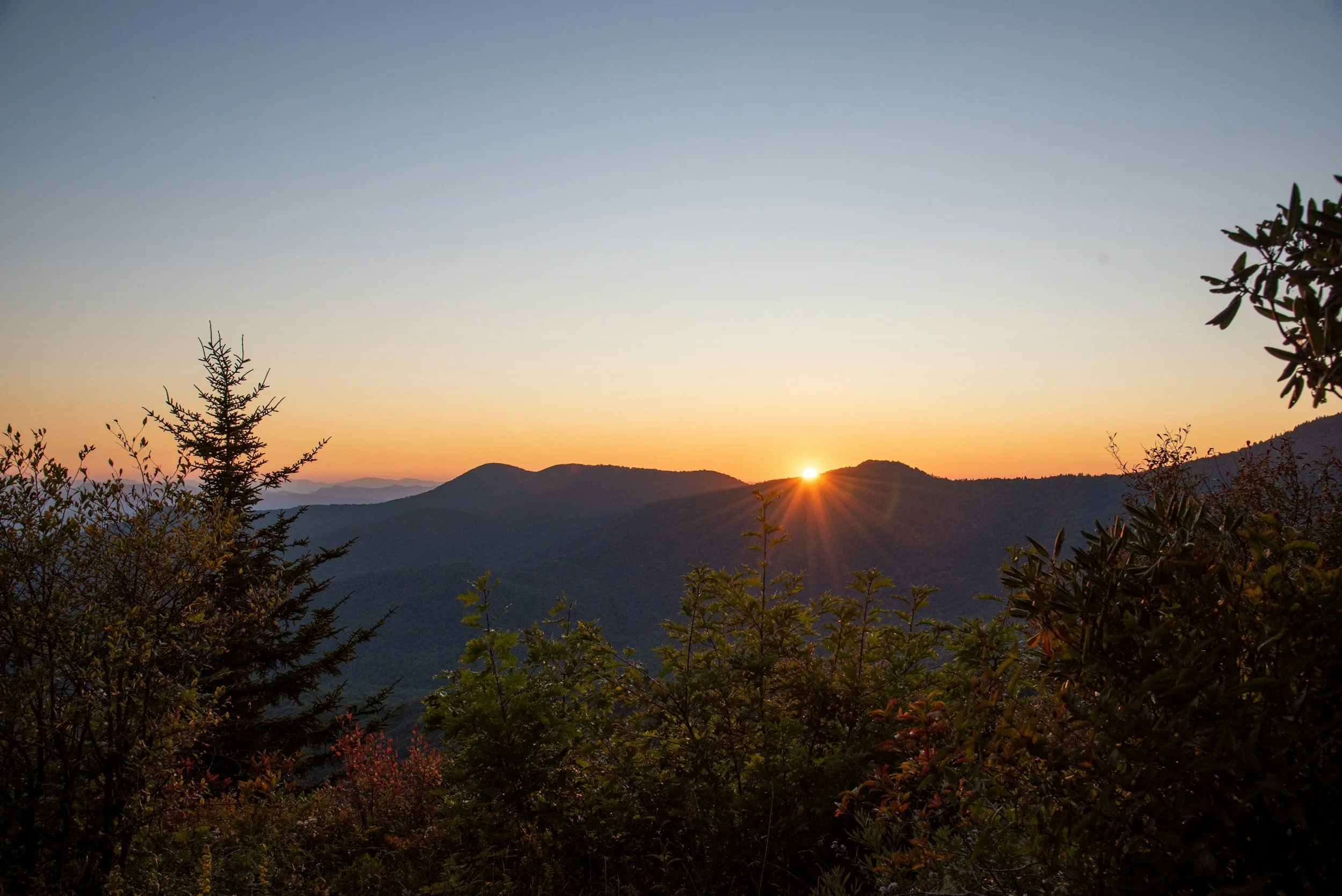
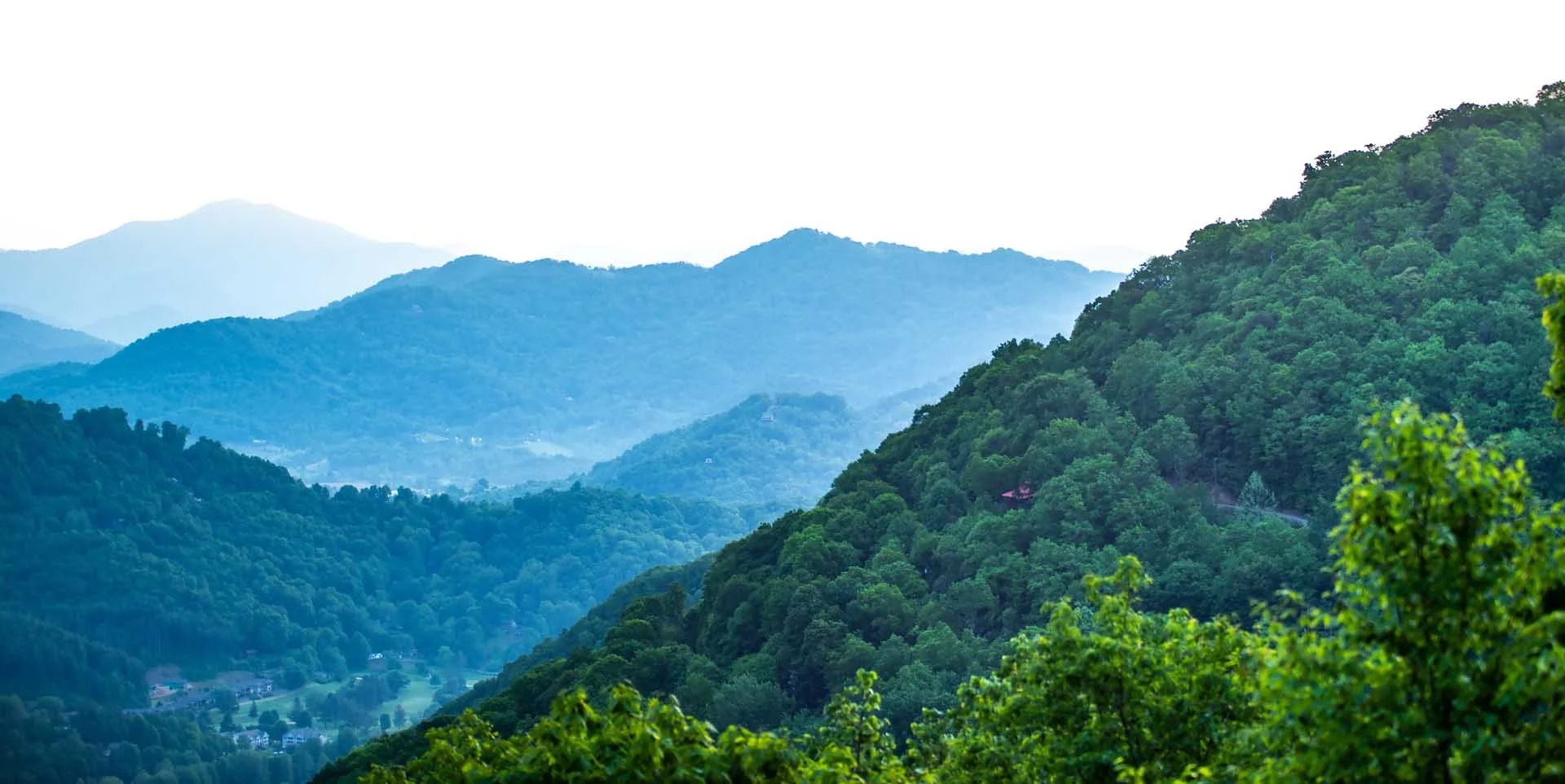
Trees in the North Carolina High Country face environmental conditions that differ from those found in lower-elevation communities. Throughout Jefferson, West Jefferson, and surrounding mountain properties, heavy rainfall, exposed ridgelines, steep terrain, saturated soils, and winter ice can all influence tree health and stability.
A mature tree growing on a mountain slope may respond very differently to severe weather than a similar tree growing in a protected valley. High winds increase pressure on branches and trunks, while extended rainfall can affect the soil supporting a tree's root system. Understanding these regional conditions is
3. Fungal Growth Around the Trunk or Roots
People often associate tree companies with removing trees, but much of what we do involves helping homeowners understand the trees they already have.
Sometimes the best solution is pruning.
Sometimes it's simply monitoring a tree over time.
And sometimes removing a hazardous tree is the safest decision for both the property and the surrounding landscape.
Every situation is different, and that's why local experience matters.
Proud to Serve Ashe County
The forests of Ashe County are part of what makes this community special.
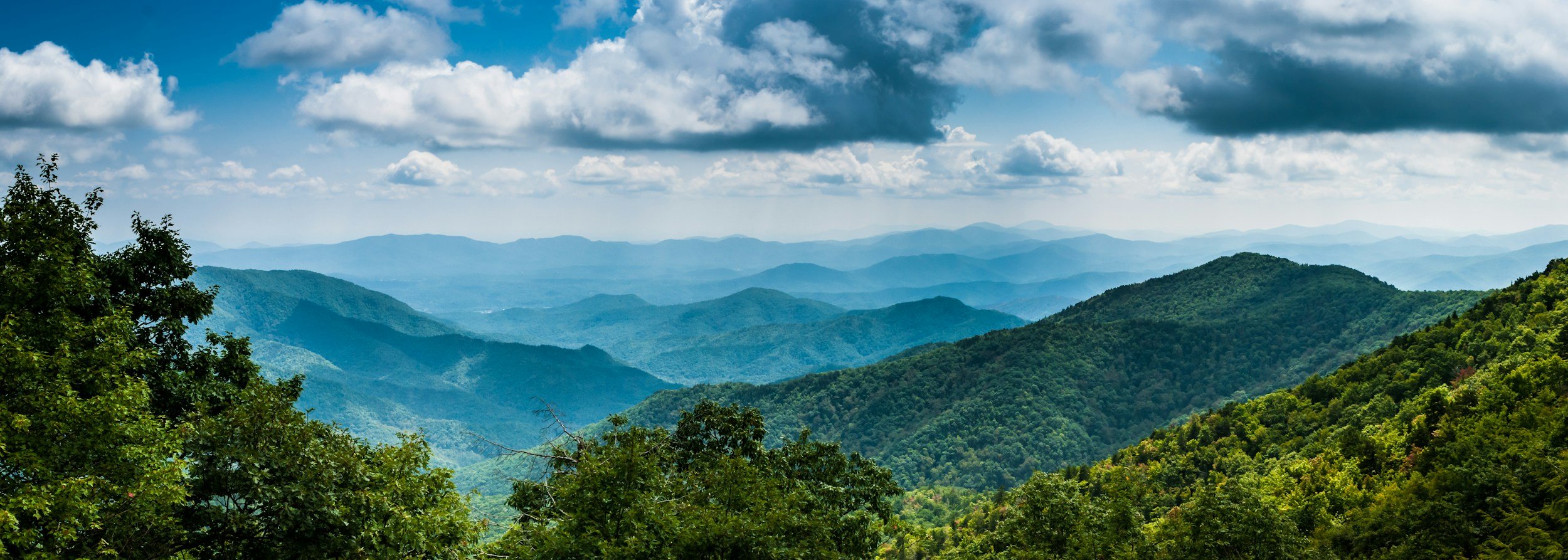
Whether we're working on a mountain ridge overlooking the Blue Ridge Mountains or helping a homeowner care for the trees around their family home, we're grateful to spend our days serving this remarkable part of North Carolina.
If you have questions about the trees on your property, we'd be happy to help. Contact Brantley Tree Service through our website to request a free quote or schedule a visit.
4. Cracks, Cavities, and Changes in Bark
A tree's bark provides an important protective layer, but the trunk itself can reveal valuable information about overall structural health.
Deep cracks, newly exposed interior wood, expanding cavities, and major splits where branches connect to the trunk may suggest a developing weakness.
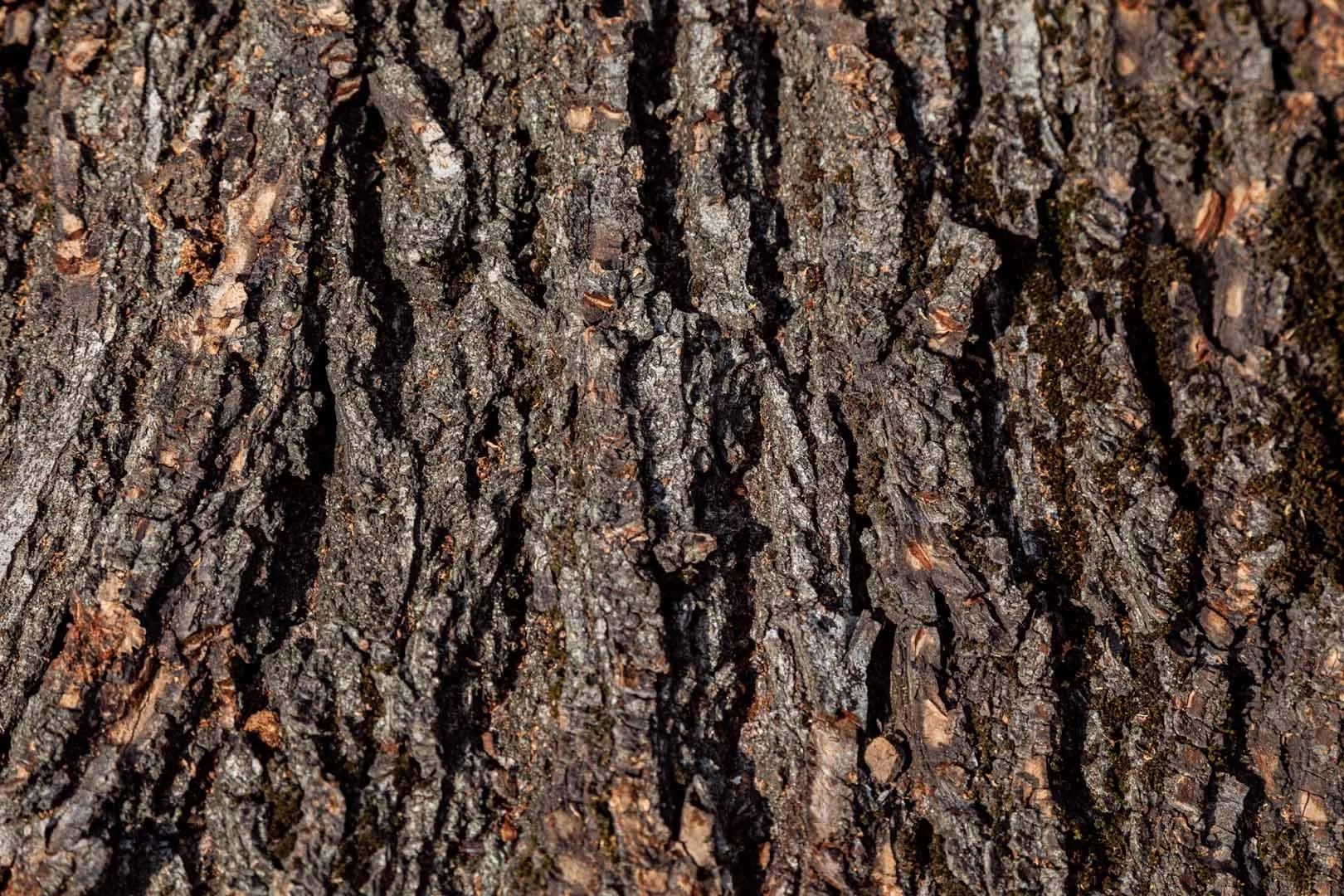
Some bark fissures are completely normal characteristics of mature trees. White oaks, for example, naturally develop rough, deeply textured bark as they age.
The more concerning signs are new structural changes, particularly following periods of severe weather or when accompanied by dead branches, fungal growth, or unusual movement.
Understanding the difference between natural aging and structural damage can help homeowners make more informed decisions about whether a tree requires maintenance, further assessment, or removal.
5. Leaning Trees and Shifting Root Systems
Perhaps one of the most concerning warning signs is a tree that has suddenly changed position.
Some trees naturally grow at an angle and remain stable for decades. However, a newly developing lean, uplifted soil near the trunk, or exposed and damaged roots may indicate a problem with the tree's stability.
Heavy rainfall and saturated mountain soils can contribute to root instability, especially on sloped properties.
This becomes particularly important when large pines or hardwoods are growing close to residential structures.
If a tree suddenly begins leaning toward your home, avoid the surrounding area and arrange for a professional evaluation. Never attempt to straighten, cut, or remove an unstable tree yourself.
Preparing Your Property Before Winter Arrives
One of the advantages of identifying tree problems during autumn is the opportunity to address them before winter weather creates additional challenges.
Across Ashe County and the surrounding Blue Ridge Mountains, freezing rain, ice accumulation, heavy snow, and strong winds can expose existing weaknesses in otherwise familiar trees.
Taking time to observe the trees around your home, driveway, and property boundaries can help identify issues before they become emergencies.
Not every aging tree needs to be removed. Many mature trees remain valuable parts of the landscape for generations. The goal is to recognize genuine warning signs, make informed decisions, and address hazardous conditions before they threaten your property.
Local Knowledge and the Right Equipment Make a Difference
At Brantley Tree Service, our experience working throughout northwest North Carolina has given us extensive practical knowledge of the trees, terrain, and conditions found across our region.
When professional removal becomes necessary, we have equipment designed to handle demanding projects, including our 100-foot bucket truck, 60-foot bucket truck, specialized lifting equipment, commercial wood chippers, and excavators.
Whether you're dealing with a towering pine beside your home, a mature hardwood with damaged branches, or a storm-weakened tree in a challenging location, careful planning and the right equipment make an important difference.
For trees contacting electrical lines, stay clear and contact the utility company. Such work requires appropriate electrical safety precautions and qualified personnel.
Concerned About a Tree on Your Property? Quotes Are Always Free.
Fall is a great time to take a closer look at the trees surrounding your home. If something doesn't look right, Brantley Tree Service can help you determine the next steps for your property.
We proudly serve homeowners throughout Jefferson, West Jefferson, Ashe County, and surrounding Blue Ridge Mountain communities with professional tree removal and property cleanup services.
Call Chris Brantley at 336-817-4182 or visit our contact page using the button below.