
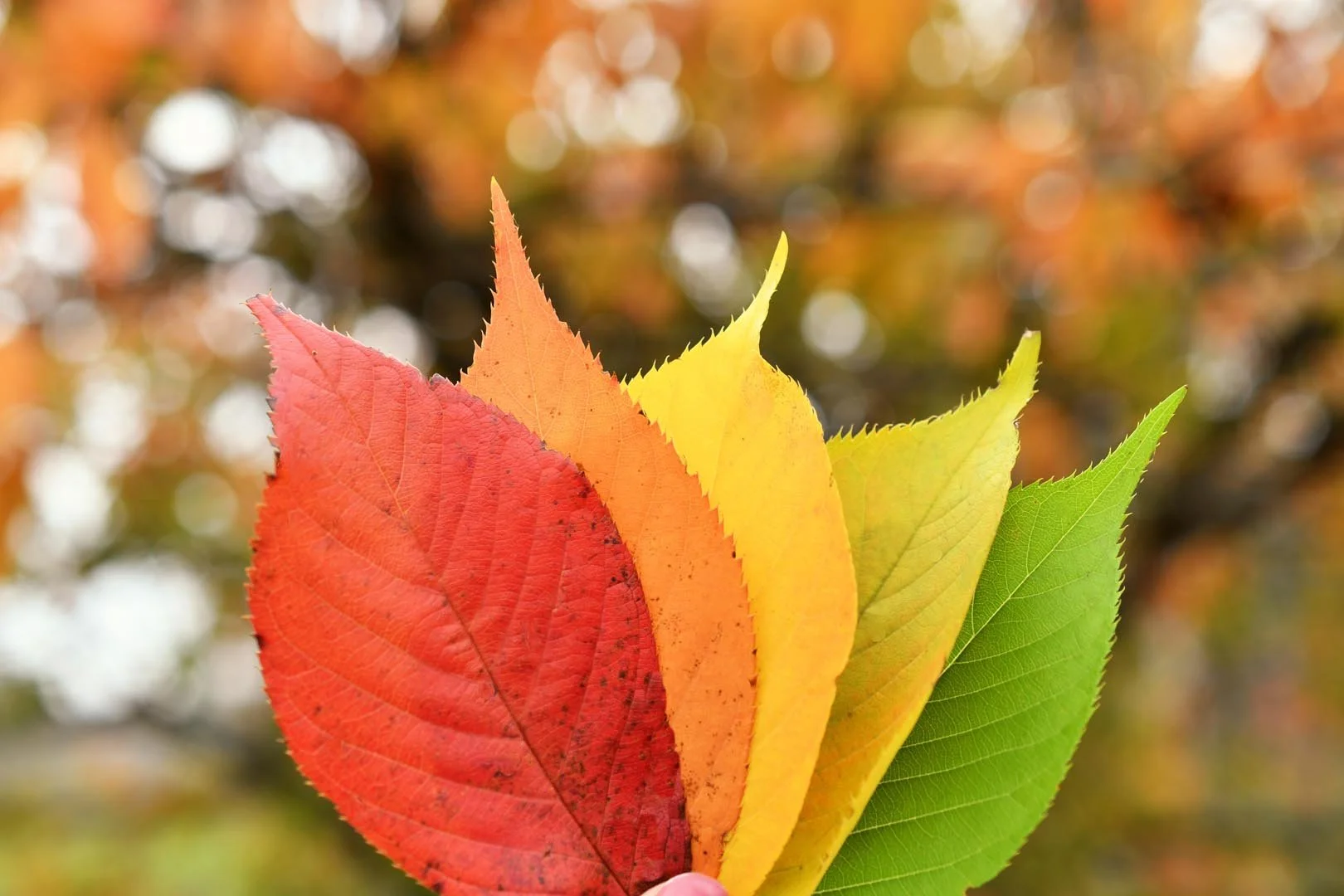
Why Do Trees Change Color? The Science Behind Fall in North Carolina's Blue Ridge Mountains
Every October, the Blue Ridge Mountains come alive with brilliant reds, oranges, and golds. But what actually causes trees to change color? Explore the fascinating science of fall foliage, discover how North Carolina's mountain climate affects tree health, and learn what seasonal changes reveal about the trees growing around your home.
What Your Trees Are Telling You This Fall: 5 Warning Signs North Carolina Homeowners Shouldn't Ignore
Fall in the Blue Ridge Mountains reveals more than beautiful colors. It can also expose hidden tree health problems that homeowners shouldn't ignore. Discover five important warning signs to watch for this season and learn how Brantley Tree Service helps protect properties throughout Jefferson, West Jefferson, and Ashe County.

Why the Blue Ridge Mountains Are Home to Some of North Carolina's Most Remarkable Trees
From Eastern White Pines and White Oaks to Sourwoods and Red Maples, the forests of Ashe County are one of North Carolina's greatest natural treasures. Discover what makes these mountain trees unique, how they respond to the changing seasons, and why local knowledge plays an important role in caring for them.

What Healthy Trees Look Like in Ashe County: A June Guide for Homeowners in the Blue Ridge Mountains
June is one of the most important months for evaluating tree health in the North Carolina mountains. Learn how local species respond to summer growth, what warning signs homeowners should watch for, and how mature trees can transition from valuable assets to potential hazards if left unchecked.