
What Healthy Trees Look Like in Ashe County: A June Guide for Homeowners in the Blue Ridge Mountains
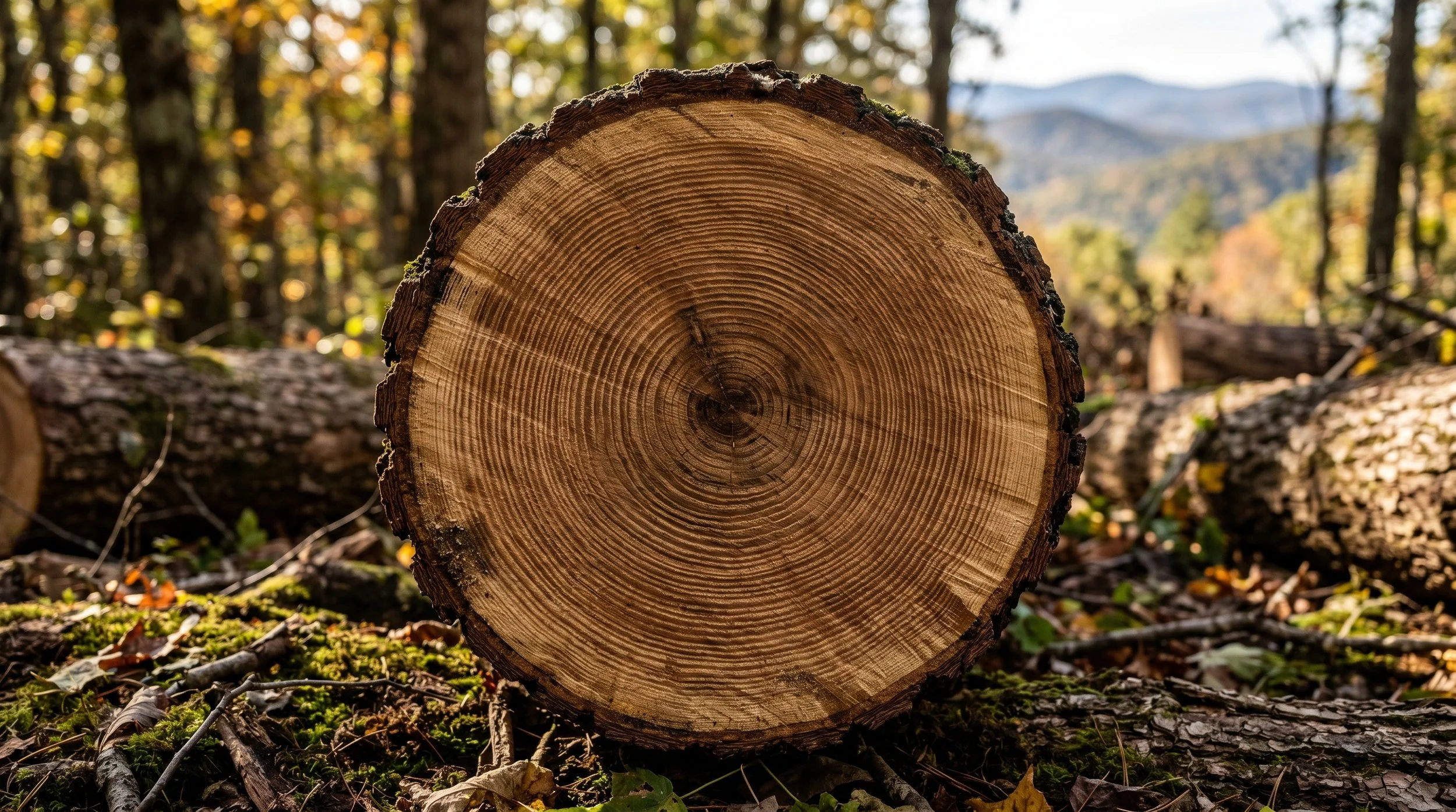
June is one of our favorite months in the mountains.
The forests around Jefferson, West Jefferson, and throughout Ashe County are fully awake. New growth has emerged, canopies are filling in, and the hillsides surrounding the Blue Ridge Mountains are alive with color.
For tree professionals, June is also one of the best times of year to evaluate tree health.
Many problems that remain hidden during winter become much easier to spot once trees are actively growing.
At Brantley Tree Service, we spend every day working around the trees that define our region. From towering white pines to mature oaks and maples, we’ve developed a deep understanding of what healthy trees look like and what warning signs homeowners should never ignore.
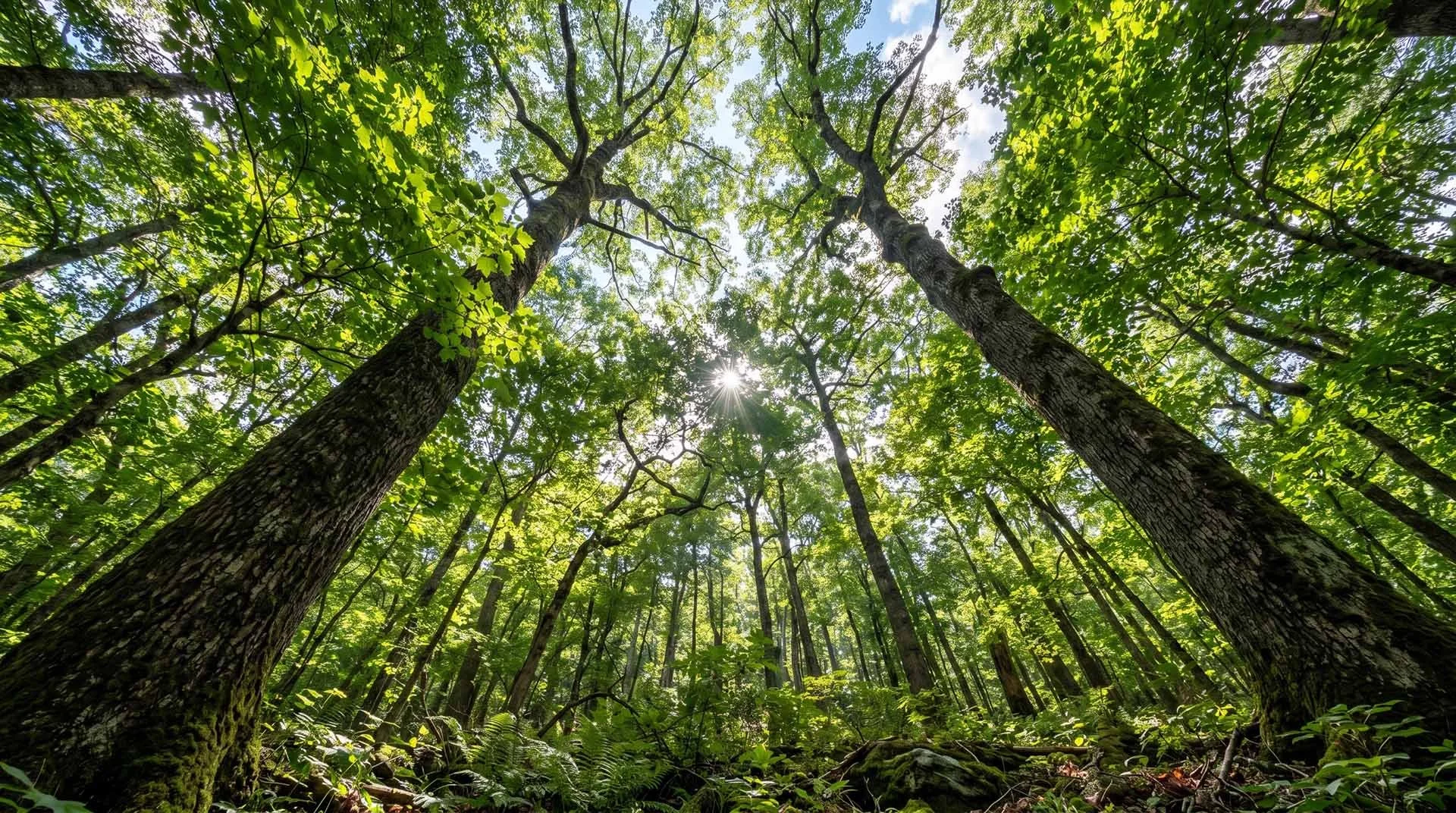
Unlike winter, when many tree issues remain hidden, June provides a clear picture of overall tree vitality.
A healthy tree should display:
Consistent leaf growth throughout the canopy
Vibrant coloration appropriate for the species
Strong branch structure
Minimal deadwood
No obvious trunk damage
Stable root flare at the base
When one section of a tree appears noticeably thinner than another, or if large branches fail to leaf out, it may indicate stress, disease, or internal decline.
This is often the first clue homeowners notice before larger problems develop.
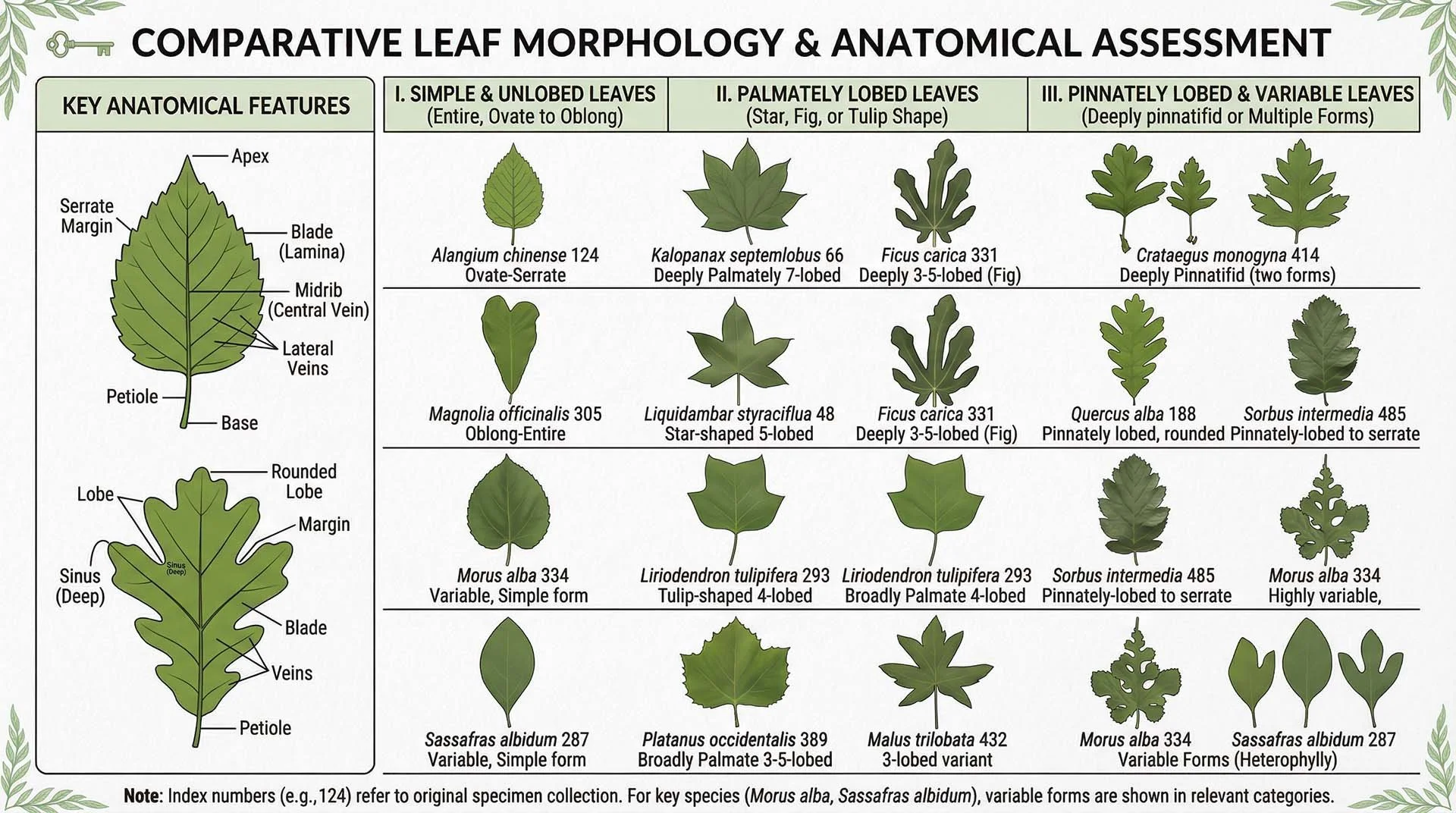
Common Trees we see in the Blue Ridge
The mountains of northwest North Carolina are home to some incredible native species.
Some of the most common trees we encounter include:
• White Pine
White pines grow quickly and can eventually exceed 100 feet in height. While beautiful, these trees are often planted too close to homes. As they mature, their height and weight can create significant storm risks.
• Red Maple
A favorite among homeowners because of its beautiful fall color. Red maples generally adapt well to our climate but can develop weak branch unions that require periodic trimming.
• White Oak
One of the strongest and most impressive trees found throughout Ashe County. Healthy white oaks can live for centuries, but large mature specimens should still be inspected for deadwood and structural issues.
• Tulip Poplar
Fast-growing and extremely tall. Many homeowners are surprised by how quickly these trees can outgrow their surroundings.
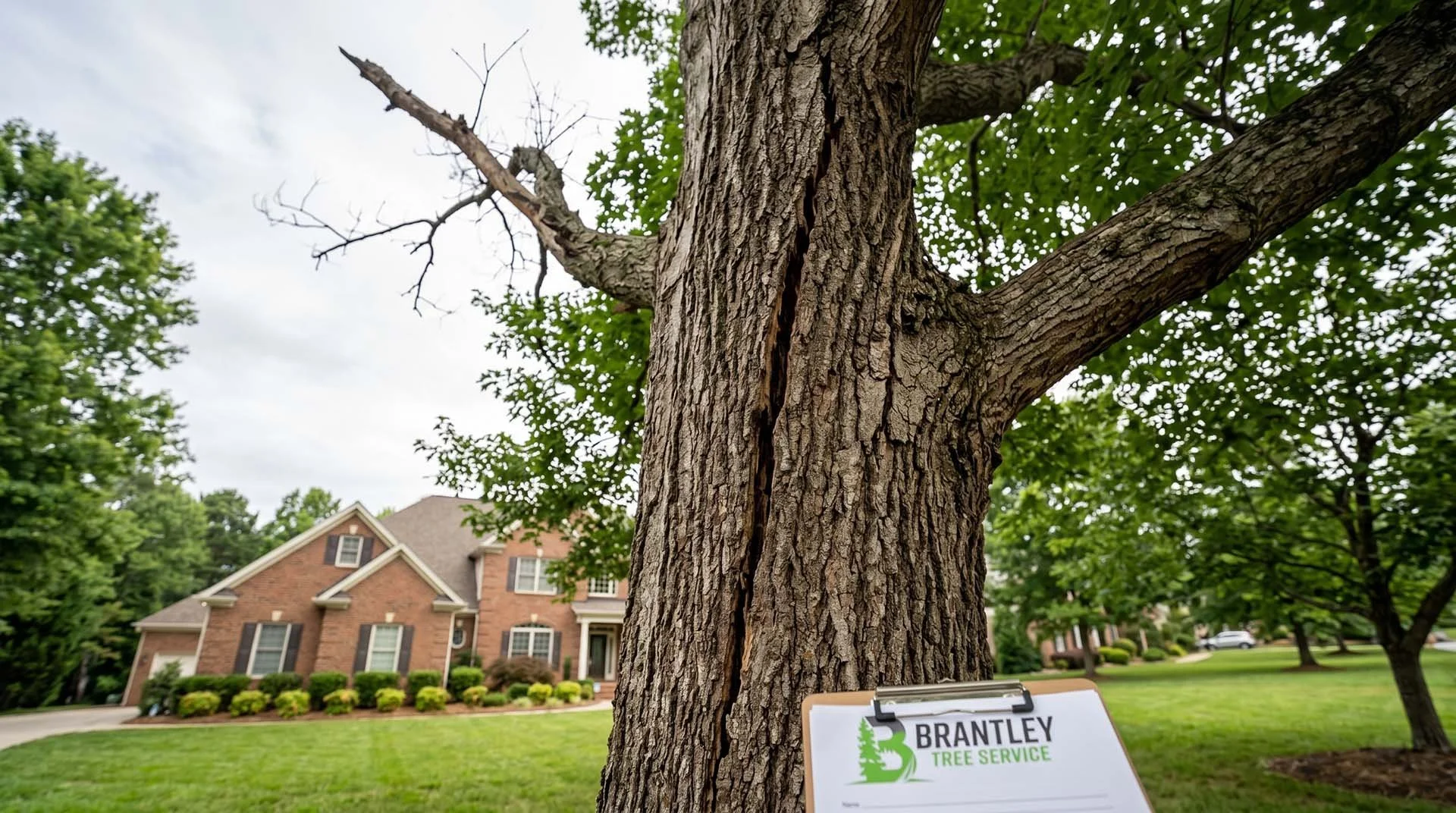
The difference between a healthy tree and a risky tree
Some warning signs we regularly encounter include:
Large dead limbs
Cracks in the trunk
Hollow cavities
Leaning growth patterns
Root disturbances
Mushroom growth around the base
Branches extending over roofs
These issues don’t always mean a tree needs removal. However, they do mean the tree deserves closer attention. One of the most valuable services we provide is helping homeowners understand the difference between normal aging and genuine risk.
The Blue Ridge mountains create unique conditions
Living in the Blue Ridge Mountains means enjoying some of the most beautiful landscapes in North Carolina, but it also means trees face environmental conditions that can be surprisingly demanding. Throughout Ashe County and the surrounding High Country, trees are regularly exposed to high-elevation winds, periods of heavy rainfall, winter ice accumulation, and rapid temperature changes that can occur within a matter of hours. These conditions influence how trees grow, how their root systems develop, and how they respond to stress over time.
What may appear to be a perfectly healthy tree on a calm June afternoon can react very differently during a severe thunderstorm, prolonged period of saturated soil, or winter ice event. Wind pressure, excess moisture, and freeze-thaw cycles all place additional strain on mature trees, especially those growing near homes, driveways, and power lines. Understanding how our mountain climate affects tree structure and long-term stability is one of the reasons local experience matters when evaluating tree health and identifying potential hazards before they become costly problems.
When in doubt, it is always best to have a professional inspection.
👉 Contact us
Let’s make sure your property is safe, sound, and ready for whatever the season brings.